


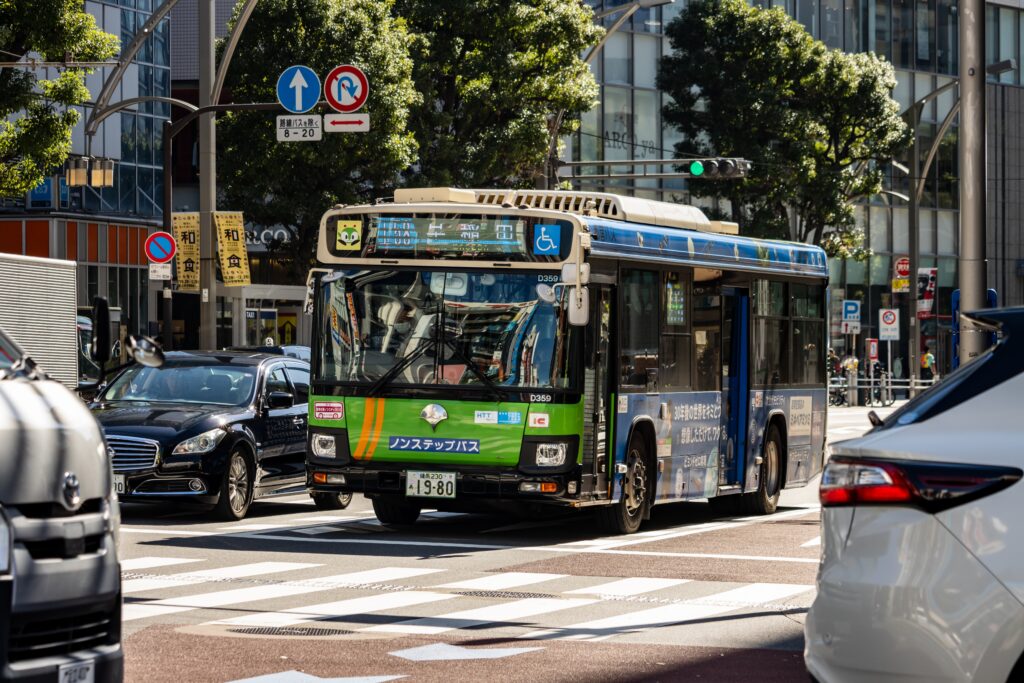
How to Ride Buses in Tokyo: A Beginner’s Guide for International Students
If you’re living in Tokyo, you’ll probably use trains for most of your daily travel.
However, buses are a great way to reach neighborhoods, parks, and attractions that aren’t close to a train station.
Since bus systems vary from country to country, learning a few basic rules before your first ride can make getting around much easier.
Getting On and Off the Bus
How you board a bus and pay your fare depends on the bus company and the route.
In Tokyo, many buses require passengers to board through the front door and pay when boarding, while others have passengers board through the rear door and pay when getting off.
If you’re riding a bus for the first time, simply check the signs near the entrance or follow the other passengers.
How to Pay
Most buses accept:
- IC cards such as Suica or PASMO
- Cash (coins and bills)
Using an IC card is usually the fastest and easiest option.
If you plan to pay with cash, it’s a good idea to carry some coins and smaller bills.

A contactless card reader on a Tokyo city bus
myboys.me / Shutterstock.com
Don’t Forget the Stop Button!
One thing that surprises many international students is the stop button.
When your stop is approaching, press one of the buttons located around the bus to let the driver know you’d like to get off.
If no one presses the button, the bus may continue to the next stop without stopping.

A stop button on a Japanese bus とまります (tomarimasu) – will stop おります (orimasu) – will get off
Things That May Surprise You on Japanese Buses
📞 People Rarely Talk on the Phone
It’s uncommon to see people talking on the phone while riding a bus in Japan.
If a call comes in, many people wait until they get off before calling back.
Keeping the bus quiet is considered a way of being respectful to other passengers.
🎒 Many People Carry Their Backpacks in Front
Buses can become crowded during the morning and evening rush hours.
Instead of wearing a backpack on their back, many people carry it in front of them.
It’s a simple way to create more space and avoid bumping into others.
♿ Priority Seats Are for Those Who Need Them Most
Most buses have priority seating for older adults, pregnant passengers, people with disabilities, and others who may need extra support.
If someone needs the seat, it’s considered polite to offer it to them.
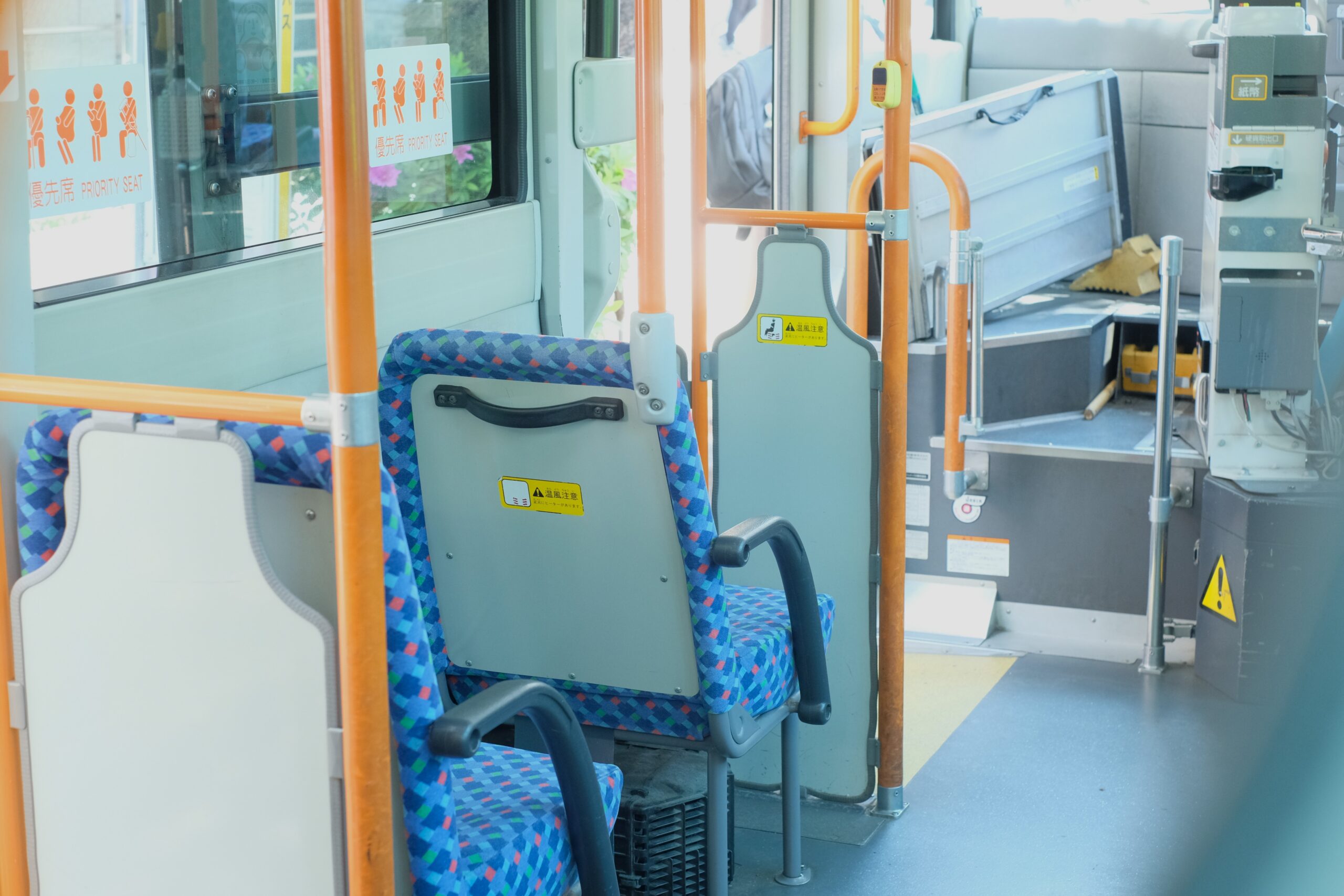
Priority seats on a Tokyo city bus
🚶 People Usually Line Up Before Boarding
At many bus stops, passengers form a line and board in order.
Waiting your turn helps everyone board safely and keeps things running smoothly.
What About Transfers?
If you transfer to another bus in Tokyo, you’ll usually need to pay a new fare.
Unlike some train systems, free bus transfers are not common, so it’s a good idea to check your route before you travel.
Explore Tokyo Like a Local
Although trains are the most popular way to get around Tokyo, buses can take you to quiet neighborhoods, local parks, and hidden spots that trains don’t always reach.
Once you understand the basics, riding the bus becomes an easy way to explore a different side of the city.
You’ll also hear station announcements, read destination signs, and see everyday Japanese used throughout your journey. Every bus ride is another opportunity to practice your language skills outside the classroom.
At KCP, learning doesn’t end when class is over. Everyday experiences—like riding the bus—can help you build confidence in Japanese while discovering more about life in Tokyo.