


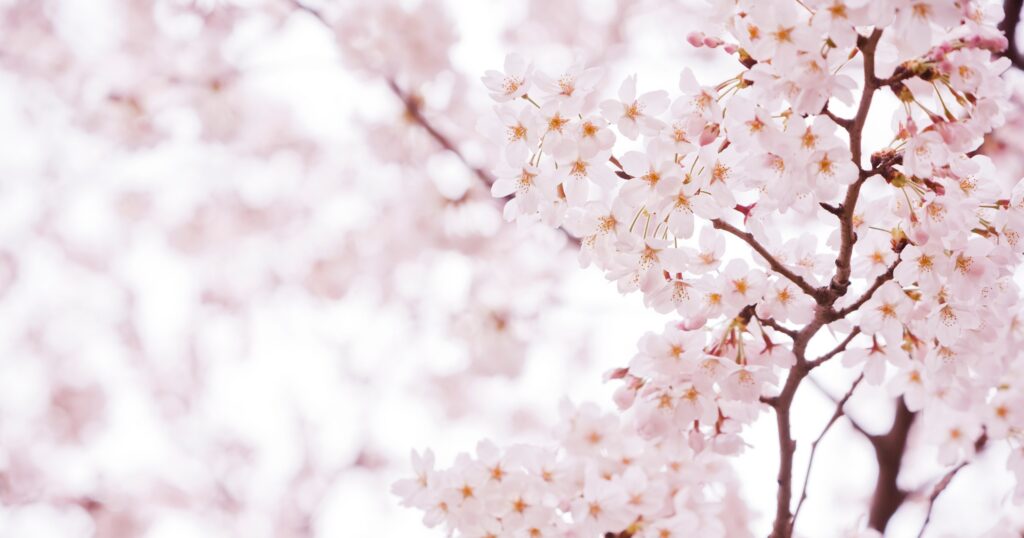
What Is Hanami? Japan’s Cherry Blossom Viewing Tradition
Hanami is the Japanese tradition of enjoying the beauty of seasonal flowers, especially cherry blossoms in spring. More than just flower viewing, hanami is a long-standing cultural custom that brings people together in parks, gardens, and along rivers to appreciate the short-lived beauty of the blossoms. In this article, you’ll learn what hanami means, how people celebrate it, and a few common words and seasonal treats connected to cherry blossom season.
Hanami Meaning: What Does Hanami Mean in Japanese?
The word hanami 花見(はなみ)literally means “flower viewing.”
- hana 花(はな)= flower
- miru 見る(みる)= to view or look
Today in Japan, the word usually refers to viewing cherry blossoms, known as sakura 桜(さくら).
When Is Hanami Season in Tokyo?
In Tokyo, hanami season usually begins in late March and continues into early April, though the exact timing varies each year depending on early spring weather. Cherry blossoms generally bloom first in southern Japan and then progress northward, with Hokkaido typically flowering last. In many years, Tokyo’s sakura begin opening in the second half of March, with full bloom often arriving around the end of March or the beginning of April. Seasonal forecasts are published ahead of time by organizations such as Nihon Kisho Corporation (日本気象株式会社), and KCP has also highlighted cherry blossom season on Instagram.
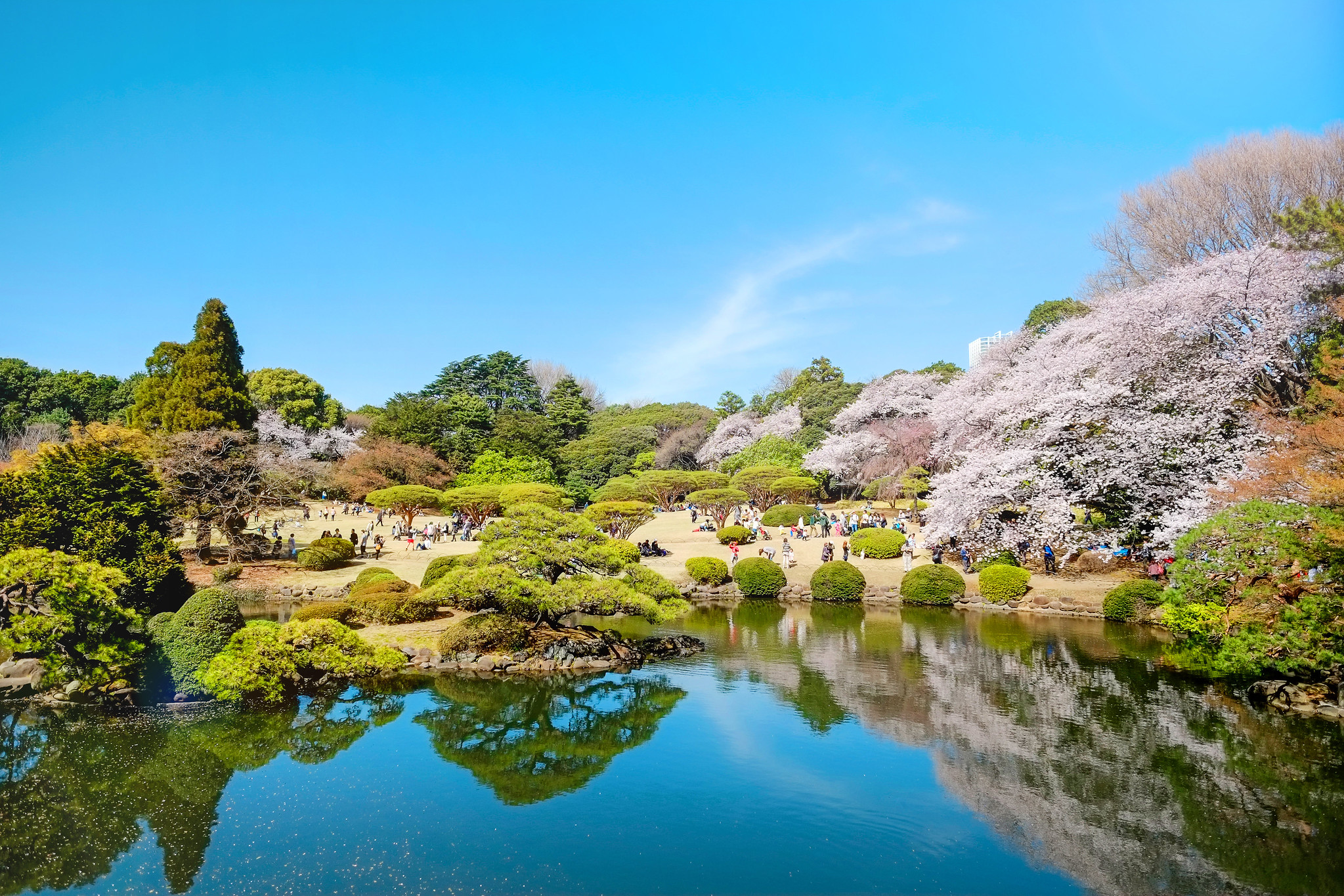
Cherry blossoms in Shinjuku Gyoen, a park about a five-minute walk from KCP.
How People Enjoy Hanami Today
Today, hanami is often a social event. People bring picnic blankets or ground sheets, often called pikunikku shiitsu (ピクニックシーツ, “picnic sheets”) in Japanese, and spend time eating, talking, and taking photos under the cherry blossoms.
Common activities during hanami include:
- having a picnic under the cherry trees
- taking photos of the blossoms
- walking along rivers or parks lined with sakura
Spring in Japan also brings sakura-themed sweets, drinks, and convenience store snacks in seasonal pink packaging. Some people also wear soft spring colors such as pale pink, white, beige, and light gray for cherry blossom outings, choosing outfits that are both stylish and comfortable for the cool weather of early spring. In Japanese, this kind of outfit is sometimes called sakura koode (桜コーデ), meaning a cherry blossom-inspired look.
Some popular hanami spots can become very busy, especially on weekends, because the cherry blossom season only lasts for a short time each year.
Why Cherry Blossoms Are Important in Japan
Cherry blossoms are closely associated with spring in Japan.
The blooming period is short, typically lasting about one week to ten days, which makes the season brief and highly anticipated each year.
Because of this limited blooming period, cherry blossom viewing has become an important seasonal event across the country.
Common Hanami Words
If you enjoy hanami in Japan, you may come across these useful Japanese words during cherry blossom season:
- sakura — 桜(さくら): cherry blossoms
- yozakura — 夜桜(よざくら): cherry blossoms viewed at night
- hanafubuki — 花吹雪(はなふぶき): falling cherry petals that look like a flurry of snow
- mankai — 満開(まんかい): full bloom
- chiru — 散る(ちる): to fall or scatter, as blossoms do
- sakura namiki — 桜並木(さくらなみき): a street or path lined with cherry blossom trees
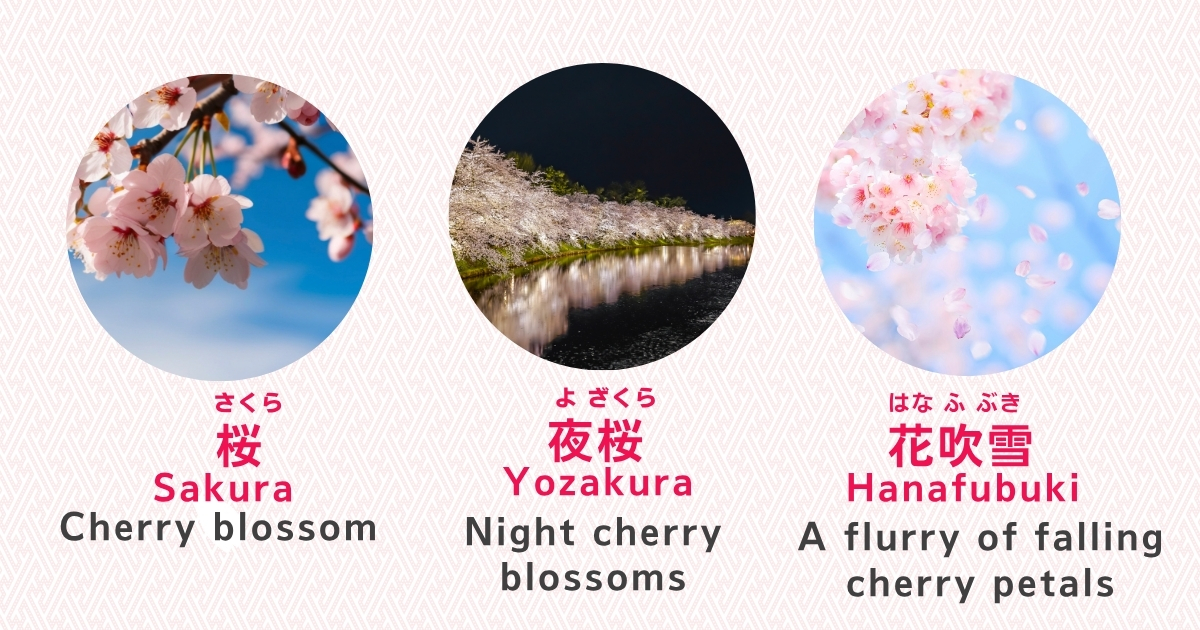
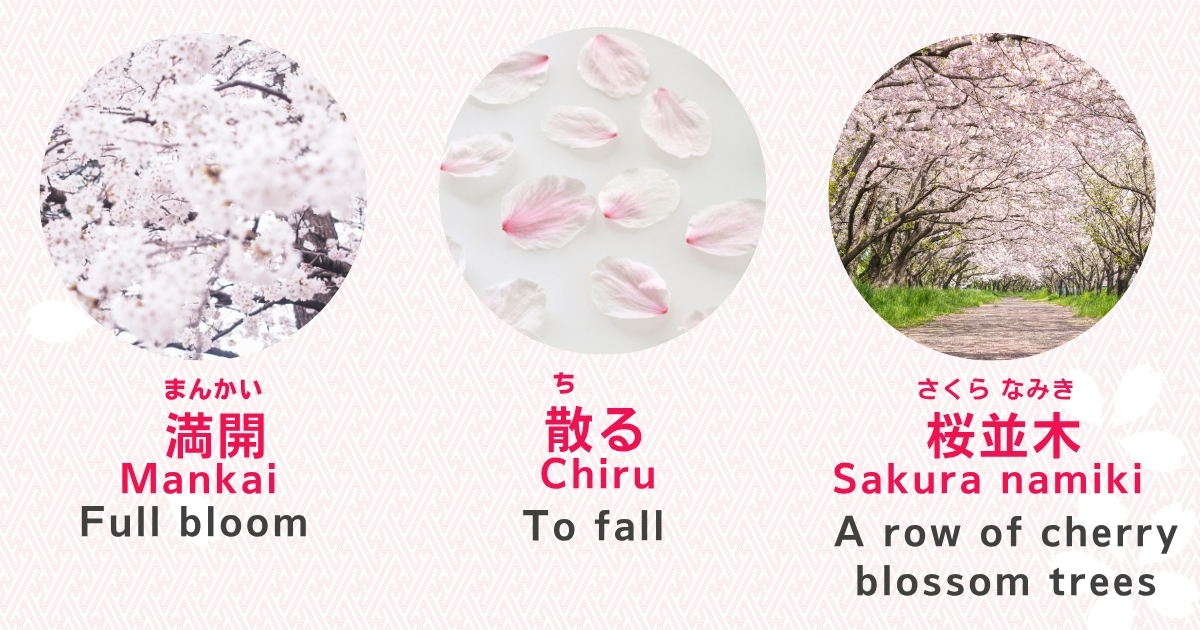
Hanami words
Popular Hanami Foods
Food is an important part of the hanami experience. Many people bring seasonal snacks or buy special spring foods from shops.
Some common hanami foods include:
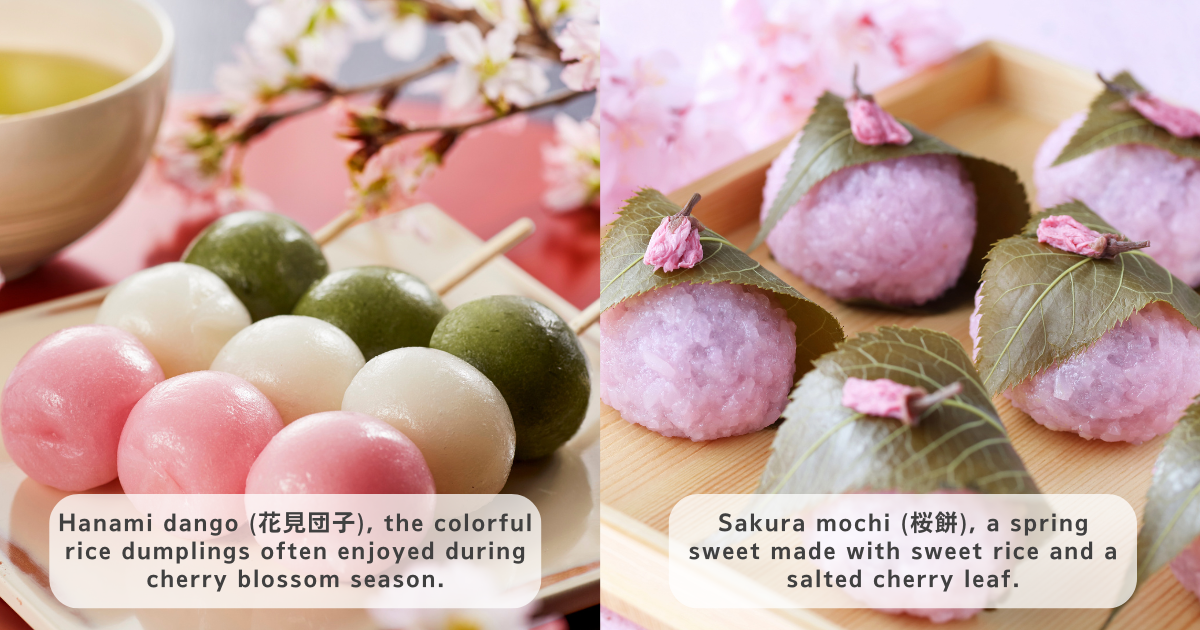
Hanami dango (花見団子)
Three-colored rice dumplings often eaten during cherry blossom season.
Sakura mochi (桜餅)
A sweet rice cake filled with red bean paste and wrapped in a pickled cherry leaf.
In addition, many cafés and convenience stores sell seasonal sakura sweets such as sakura-flavored drinks, cakes, and desserts during spring.
Experiencing Hanami in Japan
Hanami remains one of Japan’s most well-known spring traditions, and seeing the cherry blossoms in person is a memorable part of the season. For visitors and international students, hanami is a chance to experience Japanese culture firsthand.
Students at KCP International in Shinjuku are well positioned to enjoy spring in Tokyo, with access to places like Shinjuku Gyoen and other popular seasonal spots across the city. KCP’s Culture and Society course includes lectures and organized excursions that help students explore Japanese culture beyond the classroom.